
How to Plan a Stress-Free Vacation That Actually Feels Like a Break
A relaxing vacation rarely happens by accident. Without intention, travel can become just another form of busyness — packed schedules, tight timelines, and constant movement. Planning a stress-free vacation means creating space, protecting your time, and designing a trip that supports rest instead of draining it. With the right approach, time away can help reduce stress, improve mental clarity, and prevent burnout.
Start With Your Energy, Not the Destination
Before you plan anything, ask:
What do I actually need right now?
Rest? Quiet? Movement? Disconnection?
Read:

Plan Less. Feel Better.
Overplanning is one of the fastest ways to turn a vacation into another form of stress. When every hour is scheduled, there’s no space to rest, only pressure to keep up. A stress-free vacation isn’t about doing more, it’s about creating room to actually enjoy where you are.
Simple changes for a more relaxing trip:
• Limit yourself to one main activity per day
• Build in a full “nothing” day to reset
• Leave space for spontaneity and slow moments




A stress-free vacation doesn’t start when you arrive, it starts with how you leave. If your mind is still at work, your body never fully rests. Protecting your time off is what allows your vacation to actually feel like a break.
Focus on:
• Setting clear boundaries before you leave, your time off should be respected
• Creating a buffer day before returning to work so you’re not rushing back into stress
• Fully disconnect when possible to give your mind space to reset
Make it happen by reading:
Feeling guilty about taking time off?
Many people struggle to fully unplug. Learning how to take PTO without guilt helps you protect your energy and actually enjoy your time
→ How to Take PTO Without Guilt
Not sure how to ease back into work?
Jumping straight from vacation into meetings can undo the benefits of your trip. Buffer days create a smoother, less stressful transition.
→ Creating Buffer Days
Worried about work while you're away?
Setting expectations before you leave helps you disconnect without constant check-ins or interruptions.
→ Setting Work Boundaries Before Travel
Protect Your Time Off

Reduce Travel Friction
Even the best destinations can feel stressful when the logistics are messy. Travel friction aka delays, overpacking, last-minute decisions, quietly drains your energy before your trip even begins. The goal isn’t perfection, it’s simplicity. When you remove unnecessary friction, you create a more relaxing travel experience.
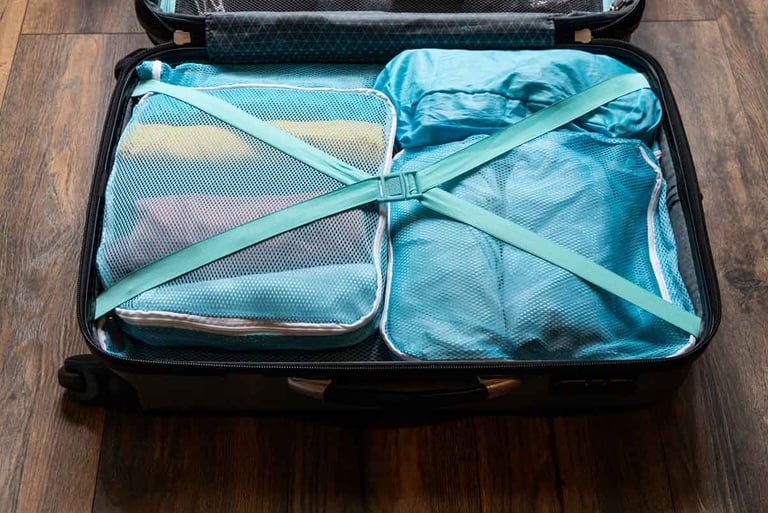
Pack Less, Feel Better
Overpacking adds weight — physically and mentally. A lighter bag makes travel days easier, reduces decision fatigue, and keeps your trip feeling simple from start to finish.
→ Packing for a Stress-Free Trip




Plan Ahead, Stress Less
Last-minute decisions often lead to rushed choices and unnecessary stress. Booking key details early — like flights and accommodations — creates a sense of ease before your trip even begins
→ Travel Essentials That Reduce Stress
Long lines, tight schedules, and constant movement can make travel days exhausting. Streamlining your itinerary and allowing extra time helps you stay calm and in control.
→ How to Simplify Travel Days
Simplify Your Travel Days

Travel Should Leave You Feeling Better. Not More Tired.
You don’t need another busy itinerary. You need a better way to take time off. Start building a rhythm of travel that supports your mental health, protects your energy, and actually helps you reset.
Keep Traveling This Way
Not every trip needs to be busy to be meaningful. Get thoughtful insights on stress-free travel, mental health, and learning how to truly rest.
Rest well. Travel intentionally.
Collaborate
For thoughtful partnerships aligned with rest, travel, and well-being. Let’s connect →


Privacy Policy | Terms of Service
© 2026 Vacays