What Is a Siesta, Really? Spain's Midday Break Secret to Beat Burnout
Ever hit that 3 PM wall where your brain just checks out? That's when Spain's siesta magic kicks in—a chill 1-3 hour midday pause for lunch, naps, or zoning out that feels like hitting reset. Ditch the grind guilt; steal this simple hack from sunny streets to crush burnout and feel human again.
3/3/20265 min read
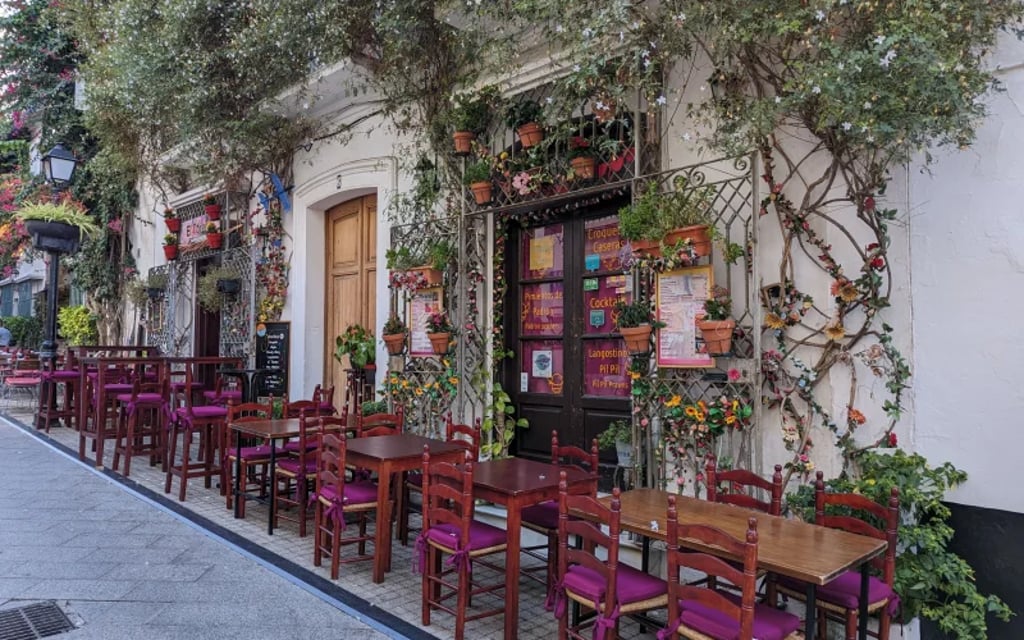

If you grew up in the U.S., you probably heard “siesta” used like a punchline—some vague idea of people in Spain shutting down the whole town in the middle of the day to nap, while Americans power through with iced coffee and anxiety.
But a siesta isn’t laziness. It’s a culturally built-in reset that lines up with how our bodies actually work. And while most of us can’t disappear for two hours every afternoon, there’s a lot we can steal from the idea if we care about burnout and mental health.
Below I’ll keep it human and conversational, and I’ll also give you solid sources you can link to for the facts.
So… What Is a Siesta, Really?
At its simplest, a siesta is a planned midday break, traditionally after lunch, where people step away from work to rest—and sometimes nap—before resuming their day later.
In Spain and other Mediterranean or Latin American countries, that historically meant:
Early afternoon pause (roughly 1–4 p.m.)
Shops and small businesses closing for a few hours
People going home to eat, lie down, and slow down
The word itself comes from the Latin sexta hora—“the sixth hour” after dawn—aka around midday.
Today, the full old-school version is less common in big Spanish cities (global schedules and office culture will do that), but the idea of a longer lunch and slower early afternoon still lives on more than it does in the North American countries.
Your Body Is Secretly Built for a Mini Shutdown
Here’s the part Americans don’t love hearing: your brain is not designed to be “on” straight through the day.
Sleep researchers have shown that most people experience a natural dip in alertness in the early afternoon, even when they sleep well. That’s why the post-lunch slump is universal, not a moral failing.
Studies on short naps find that:
10–30 minute naps can improve alertness, memory, and mood later in the day
Longer naps (60–90 minutes) are more likely to leave you groggy if you wake mid sleep cycle
Regular nappers, when they keep it short, often perform better on tasks than people who just grind through
So the siesta isn’t some quirky Spanish indulgence. It’s a culture saying, “Hey, our biology dips here anyway—let’s build rest into the schedule instead of fighting it with more caffeine.”
Is the Classic Siesta Still a Thing in Spain?
Short answer: yes and no.
In big cities like Madrid or Barcelona, you’re not seeing every office empty out for two hours anymore. Many people work a more continuous schedule now, especially in corporate or international jobs.
But you do still see:
Smaller shops closing for a few hours in the afternoon
A real sit-down lunch, not a sad desk salad
A later evening culture that assumes the day is broken into two main chunks, not one continuous grind
So while the stereotype of everyone napping every day is exaggerated, the underlying rhythm—midday pause, evening activity—is still a lot more alive there than in the “work through lunch” U.S model.
Siesta vs “I Accidentally Fell Asleep on the Couch”
Not all naps are created equal.
A siesta-style rest is:
Intentional – You plan to step away and recharge.
Structured – It has a start and an end, not “oops, there goes three hours.”
Socially supported – You’re not sneaking it; it’s normal.
Collapsing on the couch after doomscrolling isn’t the same thing. The power of siesta is that it’s built into the day on purpose, like a pressure valve—closer to how we talk about “recovery” than “giving up.”
Is a Siesta Actually Good for Mental Health?
In moderation, very likely yes.
Research on short daytime naps and breaks shows:
Lower perceived stress and better emotional regulation
Improved cognitive performance, especially for tasks later in the day
Potential cardiovascular benefits in some groups when naps are short and not too late in the day
One study published in Heart (a BMJ journal) found that occasional, short daytime naps were associated with a lower risk of heart disease in adults.
From a mental health perspective, building in a siesta-type break:
Interrupts chronic stress instead of letting it run from 8 a.m. to bedtime
Signals safety to your nervous system—rest becomes allowed, not forbidden
Creates predictable space for your brain to reset, process emotions, and unclench
Siesta is that idea of a daily micro-break
Why the American Brain Short-Circuits at the Word “Siesta”
Imagine emailing your boss: “I’ll be unavailable from 1:00–3:00 every day for rest. It helps my cognitive functioning.” You can practically hear Outlook screaming.
U.S. work culture leans hard into living to work—productivity as identity. Skipping lunch, answering email 24/7, and “powering through” are treated as badges of honor, not red flags. Surveys show:
53% of Americans don’t use all their vacation days, even though they get far less PTO than most Europeans.
Nearly half say they worry about workload piling up if they take time off
So if we’re anxious about taking full days off, you can imagine how “let’s normalize midday breaks” goes over. But that resistance doesn’t mean the idea is bad—just that it clashes with the culture.
How to Steal the Siesta Concept (Without Moving to Spain)
Most of us can’t shut down our office every afternoon. But you can borrow the principles of siesta in ways that still work in a modern job.
Here are a few realistic options:
Micro-nap (10–20 minutes)
If you’re remote or have a private space, set an alarm, lie down, and close your eyes. No phone, no scrolling. Short enough not to wreck your night sleep, long enough to reboot your brain.Screen-free break block
If napping isn’t possible, do a tech-free 15–20 minutes: walk, stretch, sit outside, stare out a window. The goal is to step out of stimulus and let your nervous system downshift.No “heavy lifts” after lunch
Use the slump window for low-brain work: admin, tidying, simple tasks. Save deep-focus or emotionally loaded work for when your energy naturally rebounds.Socialize the idea with your team
Sometimes all it takes is one person saying, “What if we stopped booking meetings between 1–2 p.m.?” Micro-versions of siesta can be built into team culture over time.
For data on why these small breaks matter, check:
Siesta Myths You Can Safely Ignore
“Siestas are lazy.”
Nope. In hot climates, they were smart survival. And now we have research showing short naps and breaks often improve performance later in the day.
“Napping ruins your night sleep.”
Long or late naps can, yes. But earlier, short naps are generally fine for most people and can reduce overall sleep debt.
“It’s impossible in real jobs.”
Is a 3-hour shutdown realistic? No. Is a 15–20 minute daily reset realistic in many roles? In more cases than people admit, yes—especially with remote work and better boundary-setting.
Should You Try Your Own Version of Siesta?
If you’re:
Hitting an afternoon energy wall
Feeling emotionally brittle by 3 p.m.
Running on caffeine and resentment
…then your body is begging for some kind of midday pattern interrupt.
You don’t have to rebrand it as “siesta” if that feels extra. Call it a reset block, a focus reboot, or just “my 20 minutes.” But the principle stands: build in small, predictable moments of rest, instead of waiting for a full burnout collapse.
If you want to dig deeper into how breaks and time off tie into mental health and burnout, these are great starting points:
Bottom line: siesta is less “cute nap culture” and more “built-in nervous system protection.” You may not get a two-hour lunch break and a bed in the back room—but even a tiny, intentional pause can move you a lot closer to a life that feels sustainable, not just survivable.
For media inquiries, guest contributions, or editorial partnerships, contact editor@vacays.life.
Rest well. Travel intentionally.
Collaborate
For thoughtful partnerships aligned with rest, travel, and well-being. Let’s connect →
Privacy Policy | Terms of Service
© 2026 Vacays